1. The principle of magnetic saturation
Transformer is an indispensable device in the power system. Its main function is to transmit and convert electrical energy between different voltage levels. The core of the transformer is a core made of ferromagnetic material, and its working principle is based on the phenomenon of electromagnetic induction. Under normal operating conditions, the magnetic flux density of the magnetic core changes periodically with changes in the AC power supply. However, when the magnetic flux density reaches a certain value, the magnetization of the ferromagnetic material cannot be increased further, and the magnetic core enters a magnetic saturation state.
2. Possible problems caused by magnetic saturation
1. High harmonic current: Magnetic saturation will cause nonlinear changes in the magnetic core flux density, thereby producing high harmonic current. High harmonic currents can cause power quality problems in the power system, such as harmonic distortion, voltage flicker, etc.
2. Overheating: Magnetic saturation will increase the copper loss and iron loss of the transformer, causing the equipment to generate more heat. Transformers that are overheated for a long time will face risks such as shortened life and equipment damage.
3. Dynamic instability: High harmonic currents caused by magnetic saturation may cause the protection device to malfunction, thereby causing dynamic instability of the power system.
3. Solution
1. Choose the appropriate core material: Choosing high-quality ferromagnetic materials, such as oriented silicon steel sheets or high-permeability ferrite, can increase the saturation flux density of the core, thereby reducing the risk of magnetic saturation.
2. Ensure the turns ratio is appropriate: An appropriate turns ratio can ensure that the transformer operates normally at the design voltage and avoid magnetic saturation. During the design stage, the turns ratio should be calculated strictly in accordance with the specification requirements and actual testing should be carried out.
3. Load management: Reasonably adjust load distribution to avoid a single transformer bearing excessive load, thereby reducing the risk of magnetic saturation. At the same time, regularly check the equipment load to ensure that the load is operating within the allowable range.
4. Install a magnetic saturation suppressor: The magnetic saturation suppressor can reduce the magnetic core flux density, thereby delaying the occurrence of magnetic saturation. The principle is to connect a suppressor in series at both ends of the magnetic core, and reduce the magnetic flux density of the magnetic core by adjusting the resistance, inductance and other parameters of the suppressor.
5. Monitoring and protection: Pay attention to the operating status of the transformer in real time through the online monitoring system, such as core temperature, voltage, current and other parameters. Once signs of magnetic saturation are found, take timely measures to deal with them. In addition, special protection devices are designed for the magnetic saturation phenomenon to avoid system instability caused by malfunction.
6. Maintenance and inspection: Perform regular maintenance and inspection on the transformer to ensure that the equipment is in good operating condition. For factors that may cause magnetic saturation, such as damaged insulation, oxidized contact points, etc., deal with them in time.
7. Design optimization: When designing the transformer, use an optimized magnetic circuit structure and reasonable turns distribution to reduce the risk of magnetic saturation. At the same time, fully consider the operating characteristics of the power system where the equipment is located, and reasonably configure the transformer parameters to ensure that the equipment can operate safely and stably under various working conditions.
To sum up, the magnetic saturation problem is one of the important factors affecting the normal operation of the transformer. To address the magnetic saturation problem, measures should be taken from many aspects, including selecting appropriate magnetic core materials, design optimization, load management, installing magnetic saturation suppressors, monitoring and protection, maintenance and overhaul, etc., to ensure that the transformer can operate under various working conditions. Safe and stable operation.
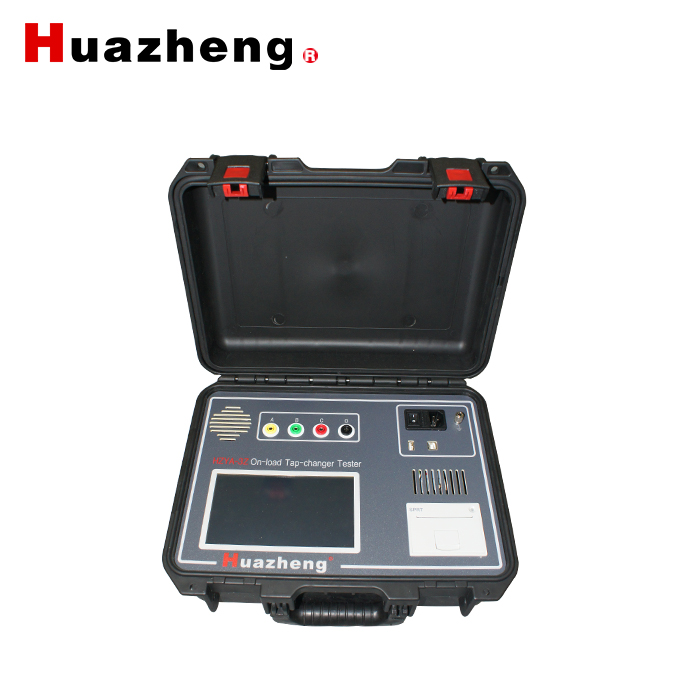
HZYA-3Z Transformer On-load Tap-changer Tester

 中文
中文
 English

 +86-312-6775656
 +86 13731210226
 sales03@bdhuazheng.com
