
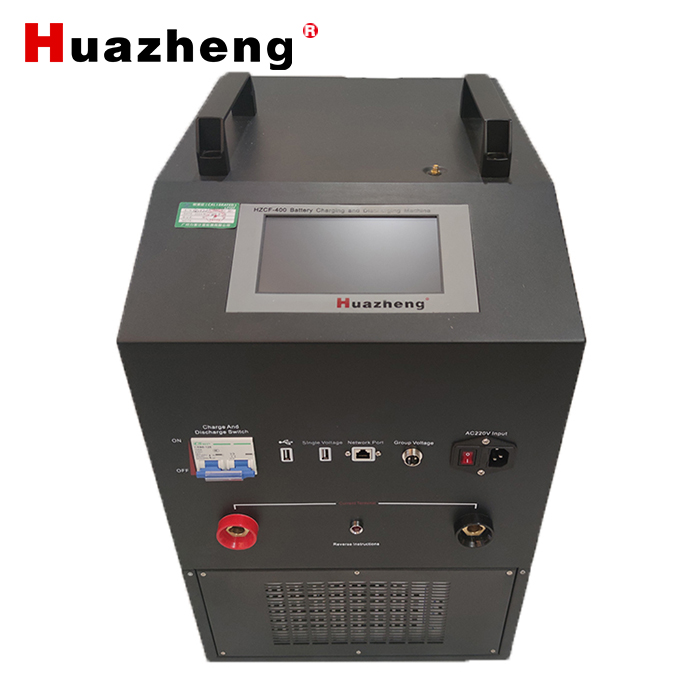
The most painful part of conducting a 10 hour rate battery capacity discharge test at a substation is staying up late on duty: starting to discharge during the day, it often takes until midnight or even early morning to complete the discharge. Under traditional operation, the tester must stay on sit
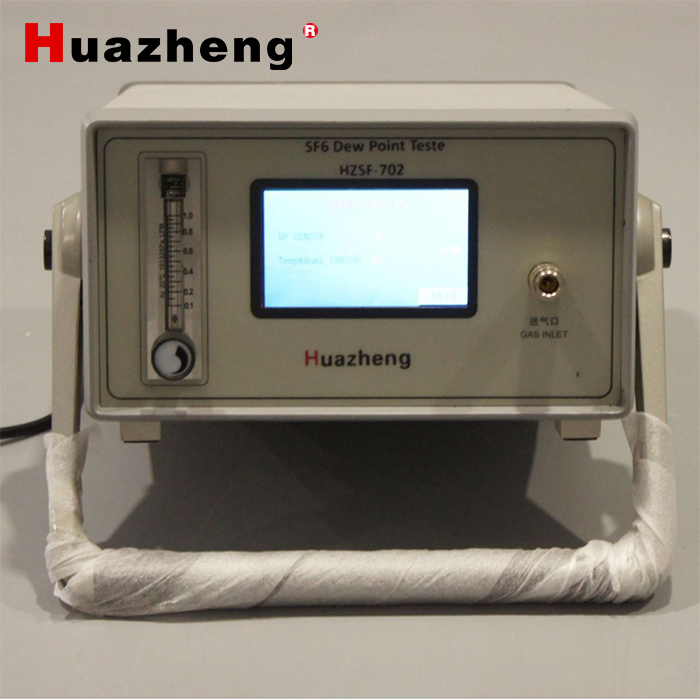
In the SF6 equipment inspection reports of substations, two units often appear simultaneously: dew point temperature (°C) and moisture content (μl/l or ppm). For the same instrument, these two values refer to the same thing but are expressed differently. Understanding the relationship between them
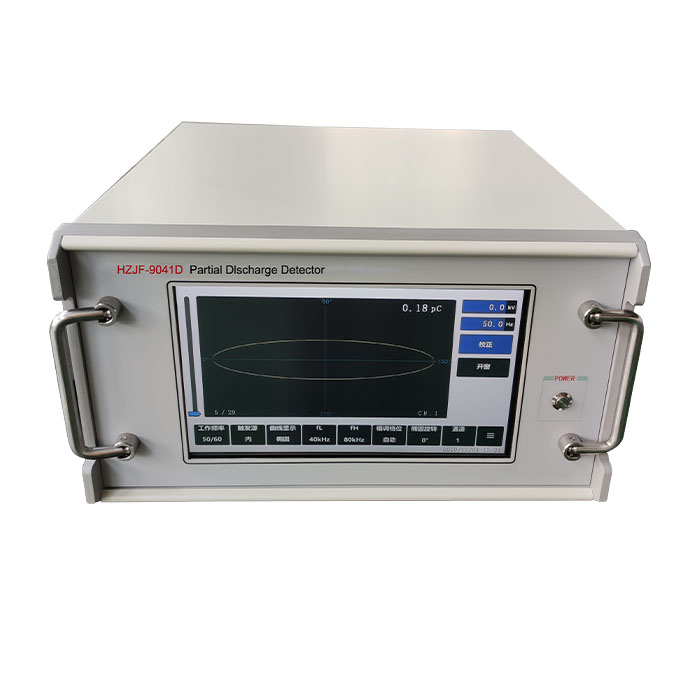
HZJF-9041D adopts the pulse current method (compliant with IEC 60270 standard), which is currently the most classic, accurate, and only quantitative measurement method with international standards in partial discharge detection. By understanding the path of transmitting signals from the inside of th
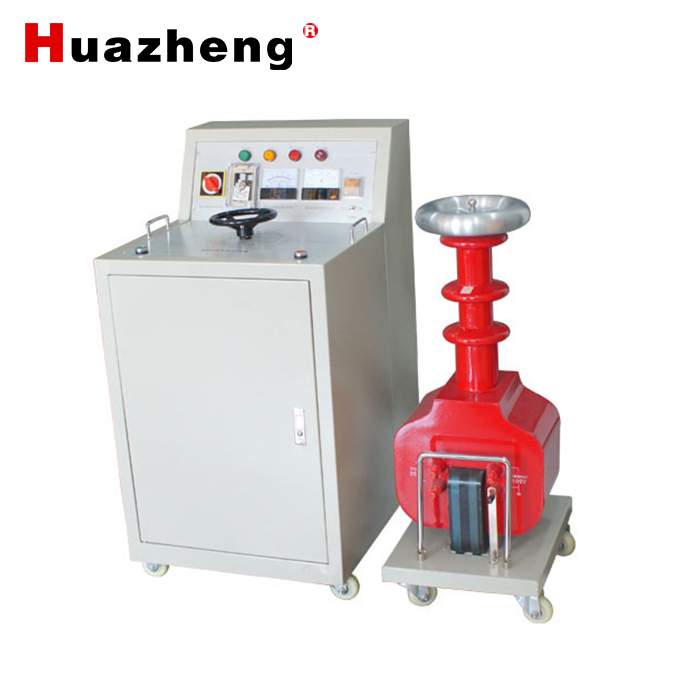
The maximum output voltage of a single HZG test transformer is limited by its rated voltage, typically at 50kV or 100kV. For applications requiring higher test voltages (such as power frequency withstand tests for equipment rated at 110kV or above), multiple test transformers are connected in series
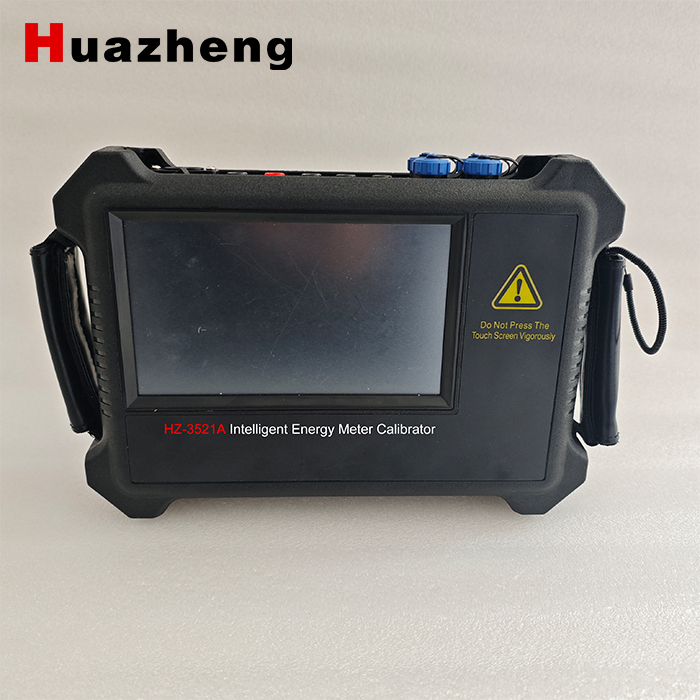
When purchasing instruments, the price difference between Class 0.05 and Class 0.2 may cause hesitation. Those involved in electrical energy metering verification understand that the accuracy class is not merely a performance parameter but also a critical factor determining whether the verification

 中文
 English

 +86-312-6775656
 +86 13731210226
 sales03@bdhuazheng.com
